
The Life of Hugo Grotius by Charles Butler
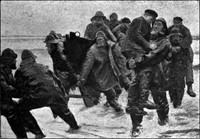
Charles Butler’s The Life of Hugo Grotius throws you right into the turbulent 17th century. It’s the story of a child prodigy from Holland who became a lawyer and politician, only to get swept up in a brutal theological and political fight. Grotius backed the wrong side, was arrested, and sentenced to life in a grim fortress prison. That’s when the story really kicks off. His wife, an absolute legend, helped him pull off one of history’s great jailbreaks—smuggling him out in a chest supposedly full of books.
The Story
But the escape is just the beginning. The book follows Grotius as a fugitive and exile, moving from France to Sweden. He’s constantly looking over his shoulder, often broke, but he never stops writing. In exile, he produces his masterwork, On the Law of War and Peace. This wasn’t just another book. Before Grotius, war was often seen as a lawless free-for-all. He argued powerfully that there are fundamental rules, rooted in natural law, that should govern how nations and soldiers behave, even when they’re trying to destroy each other. He laid the groundwork for everything from modern diplomacy to the Geneva Conventions. Butler tracks this journey from prisoner to pioneering thinker, showing how personal struggle fueled world-changing ideas.
Why You Should Read It
I loved this because it makes a foundational idea feel human. Grotius isn’t a statue; he’s a desperate father writing to feed his family, a homesick exile, and a stubborn intellectual. Butler shows us the man behind the monumental legacy. The central theme is powerful: can rules and reason exist in the chaos of human conflict? Grotius bet his life that they could. Reading about his relentless commitment, born in a prison cell, is genuinely inspiring. It connects the dots between one person’s resilience and the systems that still shape our world today.
Final Verdict
This is a perfect pick for readers who enjoy biography, history, or true stories of incredible perseverance. It’s for anyone who’s curious about where our modern concepts of human rights and international relations actually came from. You don’t need a law degree; Butler explains the big ideas clearly through the lens of an amazing life. If you’ve ever enjoyed a biography of a scientist or explorer, you’ll get the same thrill here—the thrill of watching a single mind change everything.
The copyright for this book has expired, making it public property. Access is open to everyone around the world.
Emily Lopez
5 months agoI was particularly interested in the case studies mentioned here, the insights into future trends are particularly thought-provoking. Truly a masterpiece of digital educational material.

Donald Lopez
8 months agoI was particularly interested in the case studies mentioned here, the objective evaluation of the pros and cons is very refreshing. Top-tier content that deserves more recognition.